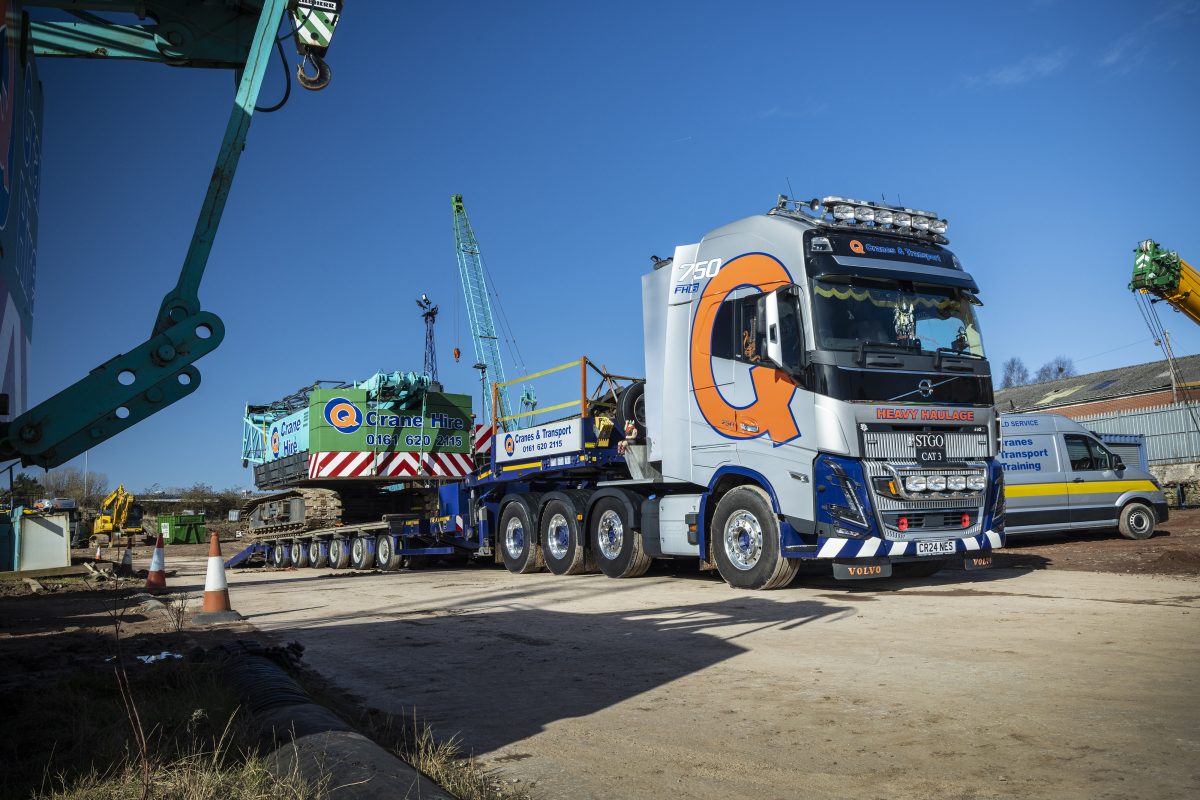
With diesel prices higher than ever before, every litre of fuel matters as operators battle to contain spiralling budgets. While many businesses often focus on driver training, route optimisation and vehicle specification to improve efficiency, one of the most effective cost-saving measures is often right beneath their vehicles: the wheels and tyres.
Tyres are the only point of contact between a commercial vehicle and the road, and their condition has a direct impact on fuel consumption, vehicle reliability and overall operating costs. Yet tyre and wheel management can sometimes be overlooked until a problem occurs.
One of the biggest contributors to unnecessary fuel usage is incorrect tyre pressure. Under-inflated tyres create greater rolling resistance, meaning the engine has to work harder to keep the vehicle moving. Over thousands of miles, even a small drop in tyre pressure can result in significantly higher fuel bills.
Recent industry research suggests that a staggering 80 per cent of commercial vehicles on the UK’s roads are running at the incorrect pressures. And tests have shown that air pressure as little as one bar too low will increase fuel consumption by approximately 2%, while decreasing the tyre’s service life by approximately 20%.
Real-time monitoring – with systems like Wheely-Safe Connect – helps ensure tyres remain at their optimum operating pressure, maximising fuel efficiency and reducing waste.
Maintaining correct pressures, monitoring tread wear and ensuring proper wheel alignment all help tyres wear evenly. This means fewer premature replacements, lower expenditure and improved return on investment from every tyre fitted to the fleet.
Wheel and tyre monitoring also plays a critical role in preventing costly downtime. Slow punctures, rapid pressure loss, overheating wheel ends or bearing issues can develop while a vehicle is on the road, meaning regular depot inspections may not be enough. If left undetected, these problems can lead to breakdowns, missed deliveries, roadside call-outs and expensive repairs.
Wheely-Safe Connect constantly sends data to monitor tyre pressures, wheel nut movement and hub temperatures, helping identify potential issues before they become a problem. Our latest generation system enables data to be transmitted not only to the driver in the cab but also to the transport team back at base.
By identifying issues early, operators can intervene before a minor issue becomes a major operational disruption.
In today’s challenging operating environment, wheel and tyre management should be viewed as a strategic business tool rather than a maintenance task. By combining regular inspections with proactive monitoring, fleet operators can improve fuel efficiency, reduce downtime, extend tyre life and ultimately lower their total cost of operation. When diesel costs are rising, those savings can quickly add up to a significant competitive advantage.