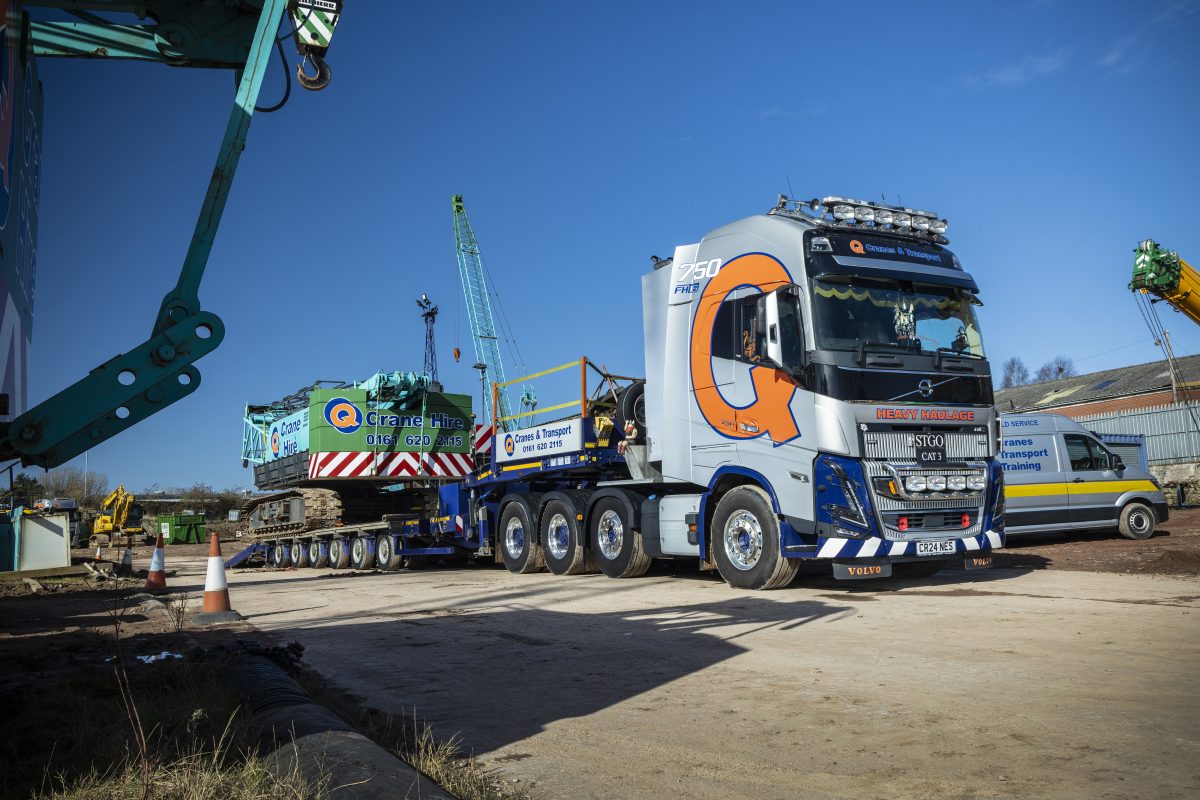
Tyres, wheels and hubs are among the most safety-critical parts of any commercial vehicle, yet they are also some of the easiest components to take for granted. For busy fleets, a tyre pressure issue, overheating wheel end or early sign of wheel nut movement can quickly escalate into a roadside breakdown, vehicle fire, costly downtime or serious safety incident. That is why regular tyre health and wheel hub monitoring should be treated as a core part of every fleet maintenance strategy.
Tyre health affects safety, efficiency and compliance
It should never be overlooked that your tyres are the only contact point between the vehicle and the road. Their condition directly affects braking performance, handling and fuel consumption. Underinflation, slow punctures, rapid pressure loss and high tyre temperatures can all increase the risk of failure, while poor tyre management can also lead to enforcement action, higher operating costs and unnecessary tyre waste.
Daily walkaround checks remain essential, but they only provide a snapshot of a vehicle before it leaves the yard. Tyre pressure and temperature can change during operation, particularly when vehicles are heavily loaded, covering long distances or working in demanding environments. Real-time tyre pressure monitoring systems such as Wheely-Safe Connect offer drivers and fleet teams the visibility they need while the vehicle is moving, helping them respond before a developing issue becomes a roadside emergency.
Why wheel rim temperature monitoring matters
Tyre safety is only part of the wheel-end picture. Wheel rim temperatures can reveal problems that may not be visible during a manual inspection. Rising temperatures around the wheel area can indicate issues such as brake binding, bearing problems or other developing faults. Left unchecked, these problems can lead to component damage, wheel-end failure or, in severe cases, fire.
For commercial vehicle operators, early warning systems are critical. A real-time alert gives the driver an opportunity to stop safely, investigate and escalate the issue, rather than continuing unaware until the fault becomes dangerous or expensive. This proactive approach supports better maintenance planning, protects assets and helps reduce disruption to customers and schedules.
From reactive maintenance to real-time insight
Traditional inspection and maintenance systems are important, but they rely on faults being spotted at fixed points in time. Connected monitoring changes the picture by providing continuous visibility of tyre pressures, tyre temperatures, wheel rim temperatures and wheel security while vehicles are in service.
Wheely-Safe Connect is designed to alert drivers and fleet teams to key wheel and tyre safety risks, including tyre underinflation, high tyre temperature, rapid pressure loss, wheel rim overheating and early signs of wheel nut loosening. This gives operators actionable data, helping them prioritise maintenance, reduce unplanned downtime and keep vehicles earning.
The business case for regular monitoring
Regular tyre and wheel monitoring is not just about preventing worst-case incidents. It can also deliver measurable operational benefits. Correct tyre pressures help improve fuel efficiency and extend tyre life, while early intervention can reduce breakdown costs, roadside call-outs and vehicle off-road time. Better visibility also supports stronger compliance records and demonstrates a proactive approach to duty of care.
For fleet managers, the value is simple: fewer surprises, faster decisions and greater confidence that vehicles are operating safely. For drivers, in-cab alerts provide reassurance that they will be warned if a critical issue develops. For the wider business, monitoring supports smoother operations, lower risk and a more sustainable approach to tyre and vehicle management.
Keep your fleet moving safely with Wheely-Safe
Every mile matters when you manage a commercial fleet. By combining robust daily checks, planned maintenance and real-time tyre and wheel hub monitoring, operators can move from reactive problem-solving to proactive risk prevention.
Wheely-Safe technology helps fleets detect the warning signs that manual checks can miss, giving drivers and managers the information they need to act quickly and confidently. If you want to improve fleet safety, reduce downtime and protect your vehicles from preventable wheel and tyre-related failures, regular monitoring is the smart place to start.